I honestly don’t know how much longer I will go on with these weekly summaries. As the cinemas re-open more widely and we see new films come out, my focus may revert back to them. Although with Tenet and Mulan both delayed, that may be further down the line than next week. I really hope cinemas consider this shortage of blockbusters to be an opportunity to give more independent and foreign films a chance. Advertise them a lot more and see how they go. Sure, they may not always fill up, but it’s worth a go surely, especially when the screens have such limited capacity.
Sadly, I reckon rubbish blockbusters will be given more screen time instead.
By the time this blog is posted, I will have been to the cinema three times this week. Unfortunately, my local is only open Friday-Sunday, but that’s okay. It means I have to concentrate my cinema experiences. With a variety of old classics finally available to watch, it really is an exciting opportunity to tick some off with the love of the big screen that such masterpieces deserve.
One such masterpiece which many would describe as timeless is King Kong (1933). This one I did watch at home. You know the story well now. Crew goes out to skull island, finds King Kong, brings him back to New York and havoc reigns (I’m assuming that after 87 years and countless parodies I don’t need to hide spoilers).
The first act on the boat works well. The acting and music as well as dark lighting really created a sense of tension. The foreshadowing is a bit obvious, but that’s fine. When they get to the island to rescue the girl and catch Kong, the film slows a bit for me. The effects of stop motion made me smile, but not feel any fear like I did in the first act.. The effects are clearly outdated, but that doesn’t really matter as you appreciate them. The third act in New York was great. The effects did capture the scale of the city well. Everything felt big and proper and that’s where you get your iconic shots. I was in awe by this point.

The film really is great. I’m not to keen on giving it a rating due to the criteria I’m judging it against being harsh. I’ll give it 4 stars for the fun I had. It’s part of the silver screen classics set on BBC IPlayer and is worth your 90 minutes to see a culturally important piece.
My first cinema trip of the week was to see Goodfellas (1990), one of the Scorcese/De Niro/Pesci classics. Based on the life of Henry Hill, we watch his rise and fall as a gangster. Ray Liotta lead this film brilliantly. The dialogue was smart, everything was put together brilliantly. Pesci stole the show as always. The long single shot sequences when Hill’s operations would go smoothly were pieces of art amongst all of the hustle and bustle. The 80s rock sound track fit in perfectly.
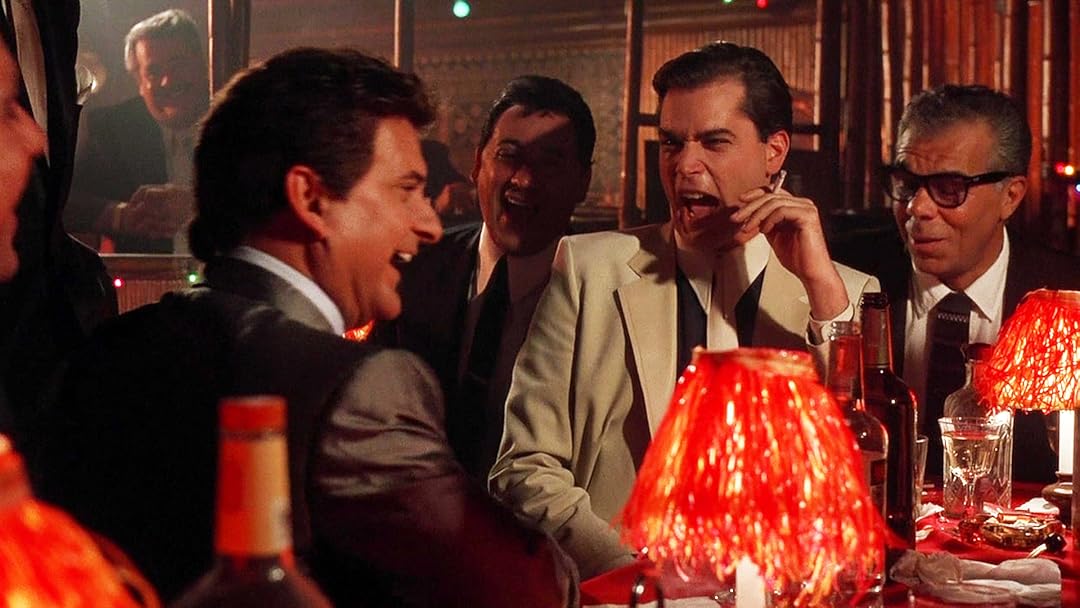
Despite all of this, my major problem was that I didn’t get invested enough in the story, although I admit that may be a personal thing. Gang movies have never been my favourite and can feel a bit samey. If I had to criticise anything in particular, the third act felt a bit under baked, once one of the characters died, leading to everything dragging. That doesn’t take away from some great shots and scenes.
This movie felt like one to appreciate more than to enjoy. I’m glad I can tick it off and if you like gang films, you’re unlikely to find a better example. I’ll give it 4 stars and plug that it’s on Netflix if you have a couple of hours.
The next day, I went to the cinema again, but this time it was to The Odyssey in St. Albans with Nick. An odd cinema with tables dowstairs and seats upstairs, but it worked and the interior design was beautiful. Anyhow, before I become a professional Cinema-hopper, lets talk about how wonderful Cinema Paradiso (1988) was.
The film follows the life of Toto, a young sicilian boy who wasn’t the writer of Africa. Toto loves watching films and going up to the projectionist booth with Alfredo who teaches him the ropes. At the same time, Toto grows up and falls in love.

This film was charming. It makes you laugh and makes you feel sad. It’s love and passion of its subject permeated. The reactions of all of the characters was contageous and you felt all of their hapiness. It really was a warm enjoyable film. The soundtrack was immense and the sicilian environment was great and welcoming, before an absolutely iconic film end. It’s known as a love letter to cinema, but I’d disagree. I’d call it a love letter to passion more widely.
It really was wonderful and was truly an appropriate film to celebrate cinemas re-opening. It was worthy of 4 stars and can be purchased on DVD and most streaming sites.
When I watched Menace II Society (1993), I really enjoyed it. The creative use of camera shots, the fun and unique characters. The brief Samuel L Jackson cameo. A 90’s hood film about growing up and getting out, you could tell from pretty early on that nobody was going to be safe after what seemed like a major player died in the first 20 minutes.
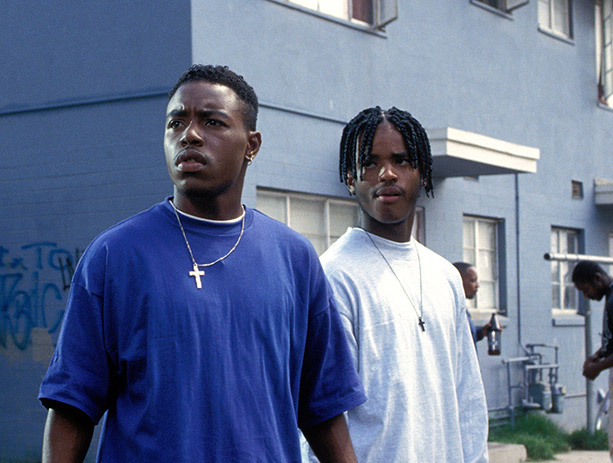
The film’s opening scene was as great as any at establishing the two lead characters. Caine and O-dog go to buy some beer, before the latter shoots the workers for disrespecting him. Straight away, Caine’s reaction shows what type of character he is and that he’s our window into the film. At just under 100 minutes, you don’t spend long with the characters, but you learn that Caine keeps making wrong decisions, and in such a punishing environment, the consequences can be huge.
I really enjoyed the film while watching this and it had a great climax, but writing about it a few days later, it didn’t stick with me as much as I would have liked. At the time, I jotted down 4.5 stars, but now it feels closer to 4 stars as it just didn’t have the same emotional impact as Boyz N The Hood, which for my money is a significantly better and more powerful film. That’s not to say this film isen’t worth your time. It’s also available on Netflix.
When I watched Chungking Express (1994), I didn’t really feel it as much, but the more time I spent thinking about it, the more it grew on me. By Hong Kong film director Wong Kar Wai, this film focuses on two stories. In the first, a policeman has recently been dumped by his girlfriend. He pines after her, giving her a month to get back to him, before he considers his relationship expired, much like the tinned pineapples he collects. He then falls in love with this gangster who is struggling through a tough job.

In the second (more famous) story, another police officer is getting over the loss of his girlfriend. When a new girl called Faye working at the takeaway starts to fall for him, she starts sneaking into his apartment to help get his life back together. My big issue with the film is that they don’t spend enough time on either story and I would have rather seen a whole film on each one. It kind of makes the stories feel a bit creepy more than anything.
However, the cinematography is lush. Chungking is a very busy place and it feels crowded. Some of the directors choices feel rather 90s but that was enjoyable as it felt different. The characters were each engaging and we watch them all come to terms with their own losses and their feelings of love in their own way. It’s primarily an emotional irrational piece which has quite an improvised feel to it.
Wong Kar Wai uses the soundtrack to interesting effect. Each story has one unique song which repeats and plays more of it as the relationships develop. While it could be cheesy, I felt it was done right.
A clever, simple film about love and loss, Chungking Express is well worth your time if you can find it, although it’s not too easy to find. 4.5 stars.
Film Of The Week
For me, the sign of a great film is that it can invoke genuine emotion. Not “That’s nice” or “That’s a bit of a shame”, but genuine emotion. A true warmth within as a person discovers themselves, a hearty laugh when they have a warm humorous moment to share with you, a sense of giddy excitement as we reach a cinematic climax or a tear rolling down your cheek as the credits roll.
Grave of the Fireflies (1988) certainly meets that criteria, despite being animated. Most Studio Ghibli films are wonderful pieces of art which are almost meditative. They allow you to relax and take in a magical world of imaginative wonder and keep that childish hope which slightly diminishes every day. But not Grave of the Fireflies. It’s cold and sad and no dancing cat is going to save the day.
The film is set at the end of the second world war in Japan, which is soon to surrender to America. However, these last few weeks see constant air raids. Pretty quickly in we see 14 year old Seito and his sister Setsuko’s mother die. We fear the worst as his Navy based dad doesn’t write back. We’re told from the start that these two characters die, however the film focuses on them moving into their aunt’s, although she doesn’t really want to help them and is quite nasty. They have no other family anywhere else and Seito tries his best to look after Setsuko and keep her happy. Each happy moment is filled with love, wonder and sadness, although we gradually watch the younger siblings struggle more and more.
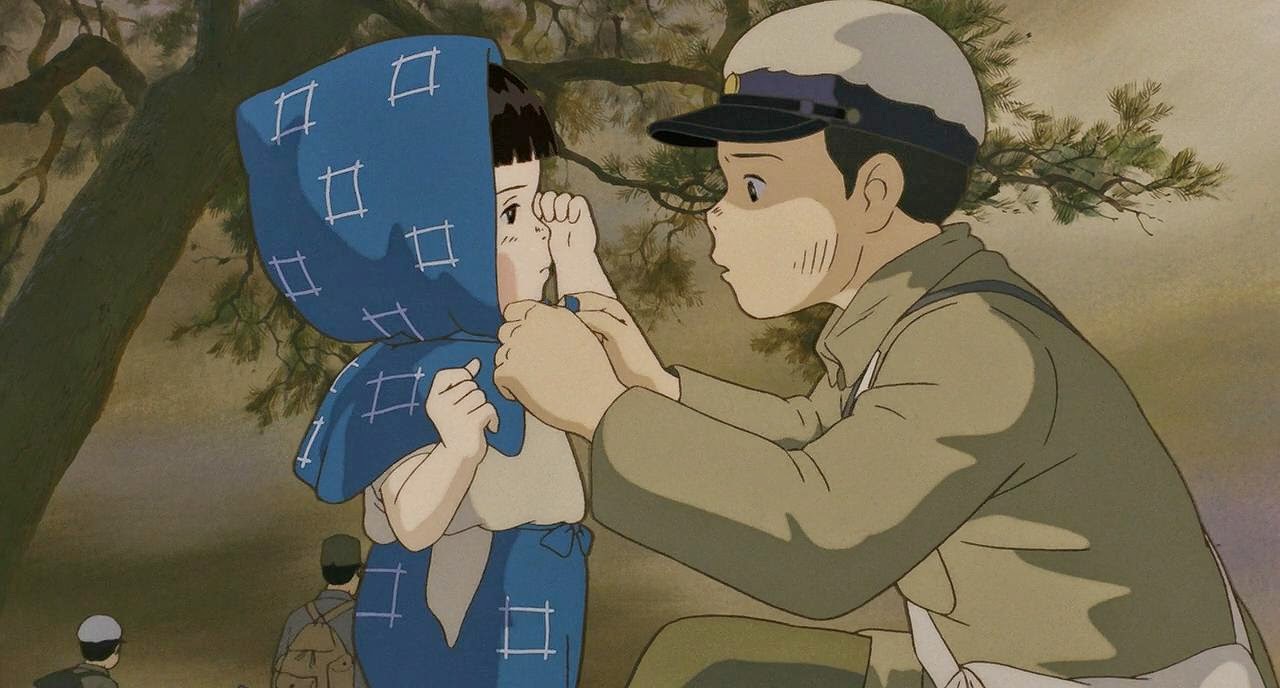
The whole film is incredible. It shows the horrific effects of war, especially on the countries which lose the wars. History is always written by the winners, but the losers have a story to tell. The red hues behind the destruction and the natural greens of the children’s world throw out a stark contrast and they beautiful symbolic nature of the fireflies in the story can be unwrapped for days.
The whole film is so incredibly sad. By the end, I had a fat tear rolling down my cheek. As I watched the film late, my dreams were sad and I woke up feeling down the next day. In retrospect this was the saddest film I’ve ever seen.
For any film to evoke that level of emotion is incredible. It’s well worthy of five stars and can be rented from a couple of the big online shops. I’m also aware of there being an English dub on youtube, but why would you dub when you can sub?
 The Film Ramble