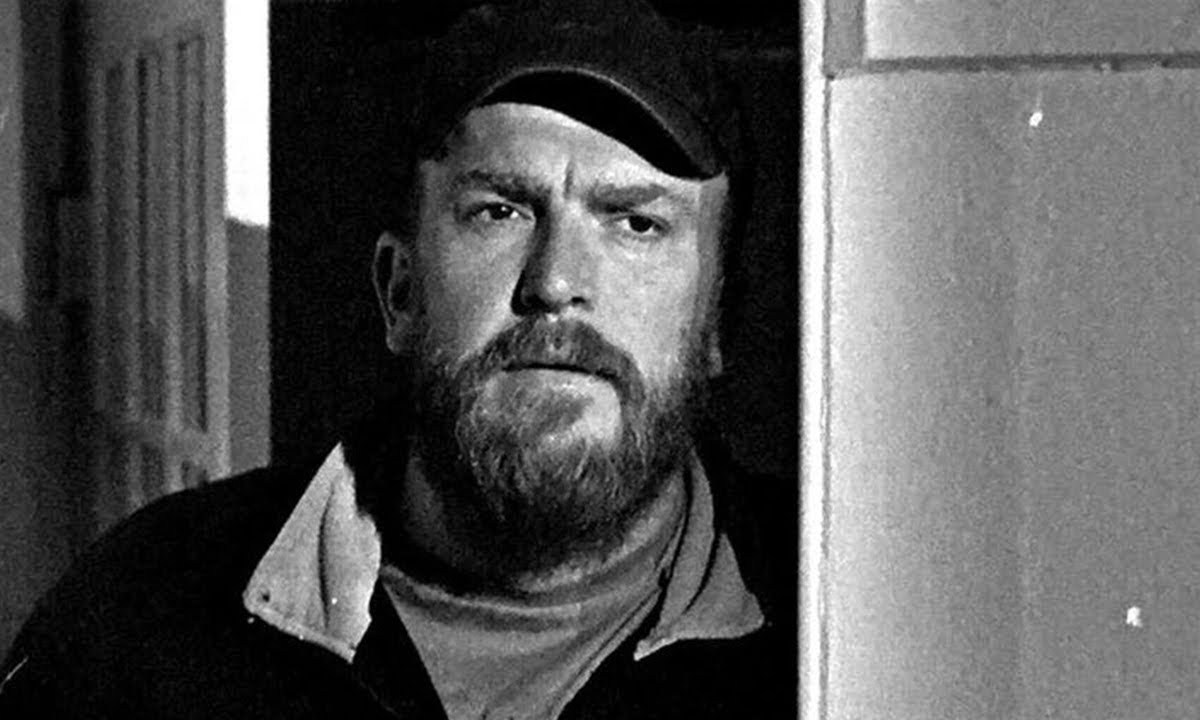
It truly is the traditionalist motif of Bait which dreamily returns us to a simpler quiet world, one without modern technology or large scale screaming drama with big explosions. This place of a different era is Cornwall.
In our small Cornish village, Martin (Edward Rowe) is trying to get by as a fisherman. However, he can’t afford a boat, so can only catch what comes in with the tide. He is saving some money in his tin, but not much. He and his brother recently sold their parents’ home to Sandra and Tim Leigh (Mary Woodvine and Simon Sheperd). The Leighs have bought up the whole street for tourism and Martin feels he and his lifestyle are being pushed aside. This sentiment grows as his van is clamped and his brother uses his boat for cruise tours of the harbour. The traditionalist feels a great sense of shame for his town and clashes with the Leighs.
Fisherman’s Friends
What director Mark Jenkins does predominantly well for the story is show a sense of community. Martin leaves fresh fish for his friends. The bartender lets him pour his own drinks and Martin always leaves his door unlocked and will spend what little money he has to help locals. Locals have friendly chats with one another even if it is small talk, while conversations involving outsiders are generally curt. The use of Cornish dialect brings in the charm as well. The strong accents and the words would possibly require subtitles for those less versed with Doc Martin and it perpetuates the Cornish as having their own identity.

Stylistically this film has plenty going for it. Using older, less orthodox recording method, this 4:3 black and white piece has plenty of scratches within it. It really does give across a simpler more traditional time without any technology in sight.
A Great Catch?
Yet with style, there is still a substance required. While the film seems to go a bit slower than most others, we see a steady escalation between Martin and the Leighs. The community is becoming more tourist friendly with more stag dos and holiday makers. Each action seems to build up, however, the film ends about ten minutes too early with some of the latter actions not really showing any consequence. This is quite a shame as a fair few conversations early on in the film feel like repeats of themselves. Some characters don’t quite show the depth you’d like either. While Martin does, the Leighs and some other community members barely scratch the surface.

However, these issues don’t take away from what is a strong atmospheric appeal. As well as unique visuals, the sound editing is brilliant, using subtle music, the sound of the sea and silence all to great effect (I rarely notice this, so if I do, it must be really good/bad). The storytelling aspect is also polished. Jenkins regularly ran two scenes simultaneously cutting between them to show the contrast between the tourists and locals.
Summary
Stylistically a wonderful film, Jenkins takes us through an exploration of the sights and sounds of Cornwall in this heartfelt piece, truly building a wonderful sense of community. However, as creative as his story telling is, there are some pacing issues as some scenes feel repetitive while others feel unexplored. [Grade: B]
(If I had a shot for everytime Martin told his brother that their Dad would be ashamed, I would certainly be overboard).
 The Film Ramble